


Mechanochemical Destruction (MCD®) is a patented, non-thermal treatment technology that uses high-energy ball milling to destroy hazardous contaminants within complex nuclear and radiologically contaminated waste. Through Veolia's partnership with Environmental Decontamination (NZ) Limited (EDL), MCD® is being scaled across the UK and Europe, offering an alternative treatment solution where conventional technologies are limited.
MCD® is particularly suited to complex waste streams that are difficult to breakdown, with no obvious disposal routes.
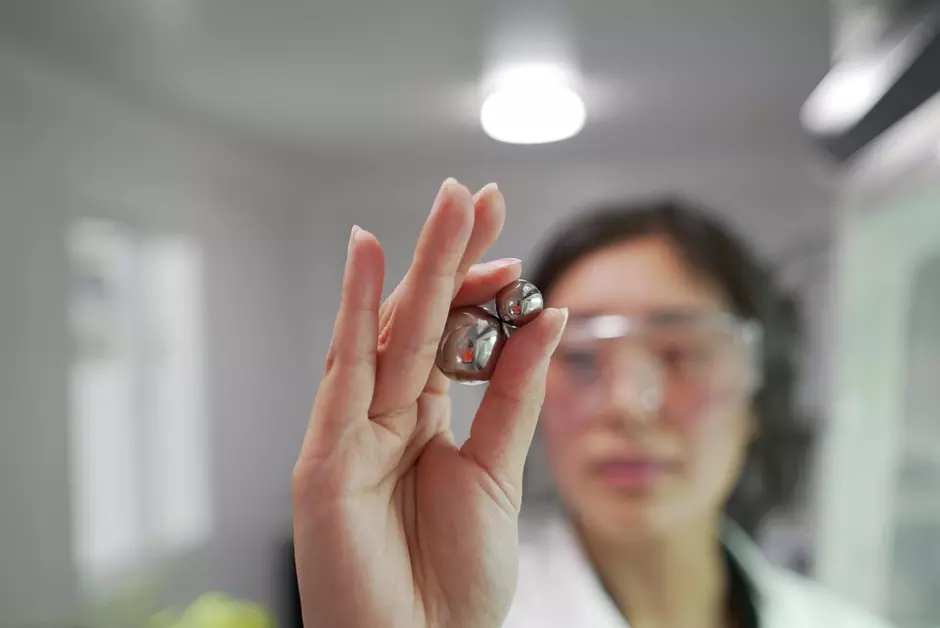
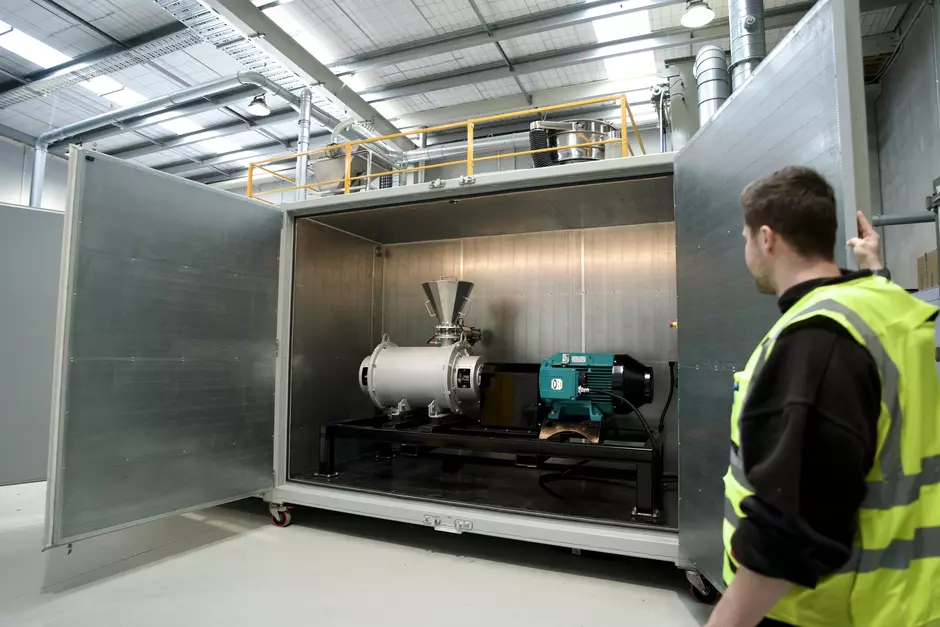
A key milestone in Veolia's partnership with Environmental Decontamination (NZ) Ltd is the upcoming installation of an intermediate pilot machine at Veolia's Abingdon facility, where the technology will be demonstrated for nuclear sector applications. Organisations interested in learning more or attending a future demonstration event are encouraged to contact us.
How does it work?
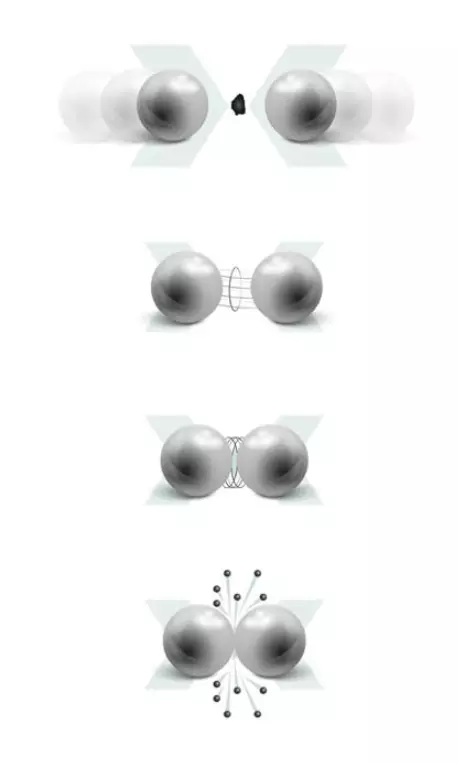
MCD® uses high-energy milling within sealed reactors to apply mechanical force to waste materials. This process:
- Fractures particles through repeated mechanical stress
- Breaks chemical bonds at the molecular level
- Enables the destruction of hazardous compounds
The process operates without the need for elevated temperatures or chemical additives, relying solely on mechanical energy to drive treatment.
The technology has been successfully demonstrated at proof-of-concept level in the UK, including treatment of solvent waste at Sellafield Ltd and asbestos-containing materials through programmes with the Nuclear Decommissioning Authority.
Key Benefits
Scalable and modular design
Adaptable to a wide range of waste types
Low energy demand compared to thermal processes
Supports circular outcomes through potential resource recovery
MCD® can be applied across a range of complex and hazardous waste streams, including:
Persistent organic pollutants
(e.g. PFAS, PCBs, dioxins)
Oils, lubricants and solvents
Asbestos-containing materials
Contaminated soils and land
Chemical stockpiles
Spent sorbents and resins
Veolia supports Environmental Decontamination Limited in the development and deployment of MCD® across multiple stages. Modular system design enables both on-site and centralised treatment, supporting application across industrial and nuclear environments.
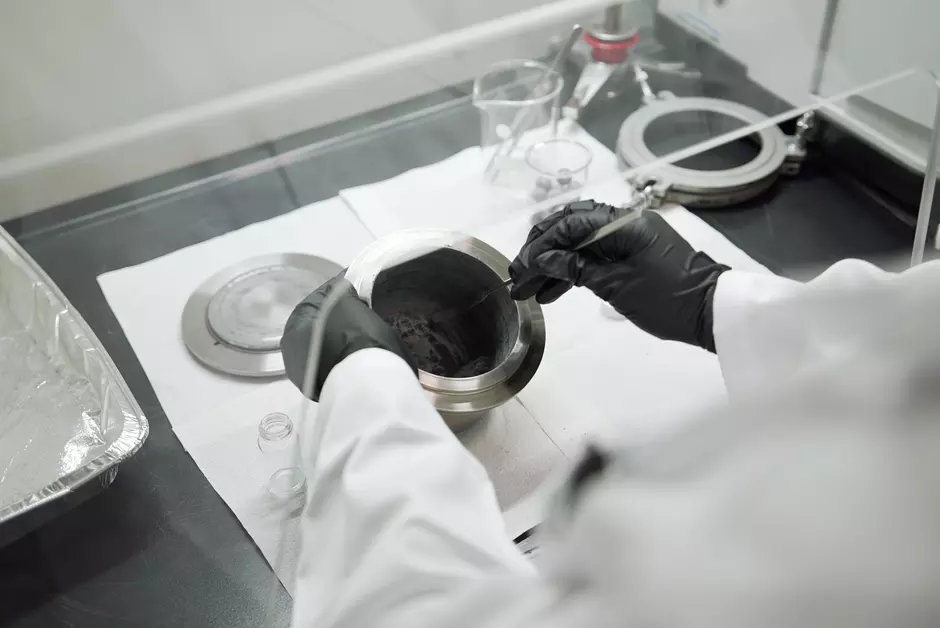
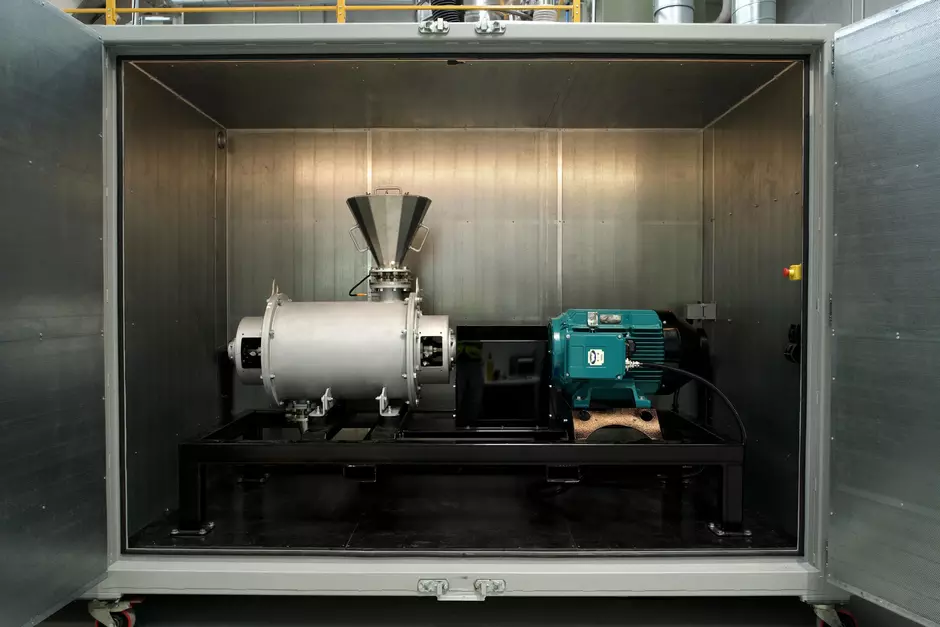
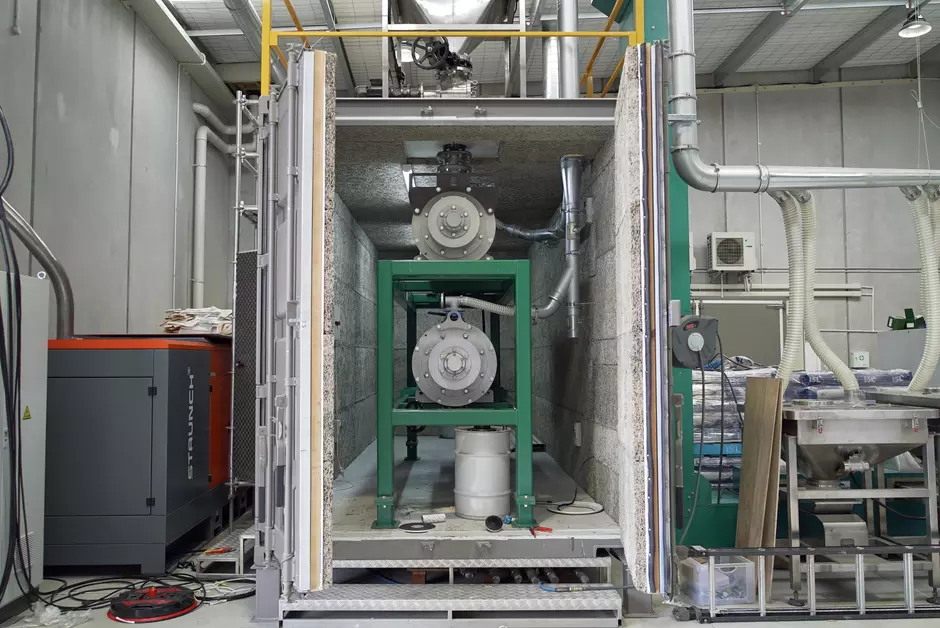
We provide a complete service to support the integration and application of mechanochemical destruction technologies:
- Solution design and engineering integration
- Pilot trials and demonstration programmes
- Waste characterisation and treatment pathway development
- Deployment of modular treatment systems
- Operational support and optimisation
Frequently Asked Questions
What is Mechanochemical Destruction?
Mechanochemistry, recognised as a green chemical technique, explores the physical and chemical transformation of substances that have been mechanically stressed, or have undergone mechanical fractures. Mechanochemical destruction technology uses mechanochemistry to break down hazardous materials at the molecular level, without the need for hazardous oxidising agents, extreme temperatures, harmful additives, or high pressures.
How does Mechanochemical Destruction work?
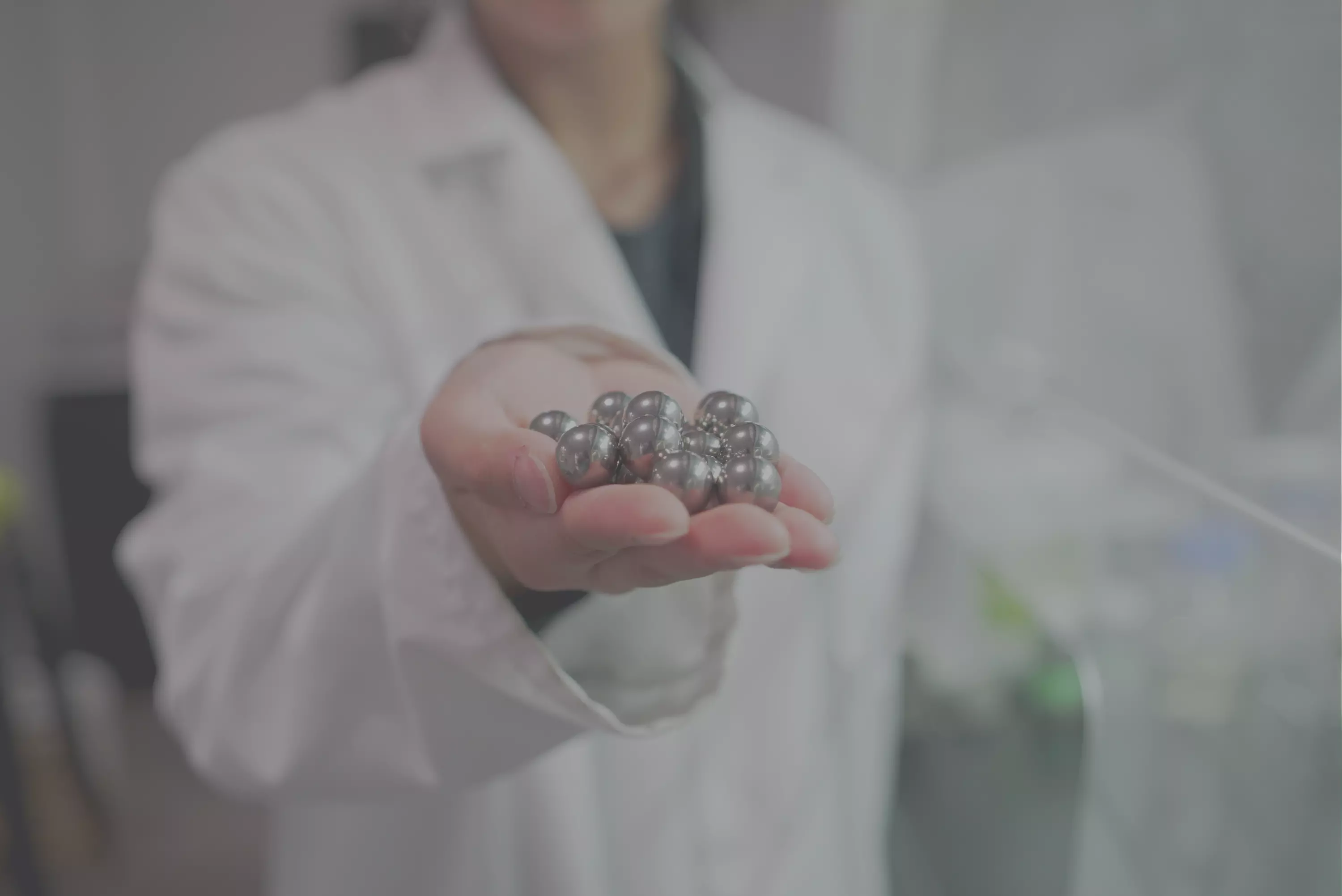
MCD® technology harnesses the mechanical energy of high-velocity bearing balls within specialised reactors. During collisions, waste particles are exposed to intense conditions, resulting in particle fracture and molecular destruction, enabling the safe and efficient breakdown of hazardous materials, and the pulverisation of hard mineral substances into fine powders.
What wastes can MCD treat?
Environmental Decontamination (NZ) Ltd have partnered with Veolia's nuclear expertise for nuclear remediation projects, using MCD® technology to clean and restore radioactively contaminated sites, facilities, and soil. It can treat:
- Asbestos-containing materials
- Persistent organic pollutants such as as PCBs, dioxins, and PFAS
- Hydrocarbons, oils, lubricants, and solvents
Mechanochemical destruction expands the range of Veolia’s available treatment options, supporting safer and more flexible management of complex waste streams. By complementing existing technologies, MCD® contributes to more sustainable and cost-effective waste treatment strategies.
Contact our team to explore the most appropriate treatment solution for your waste streams.